
In the past few months, I’ve been exploring more about women’s health, especially as it relates to midlife. Honestly, I can’t help but wish I had started learning about this in my 30s. As I worked through books and scientific papers, I was surprised by how much I didn’t know about my own body.
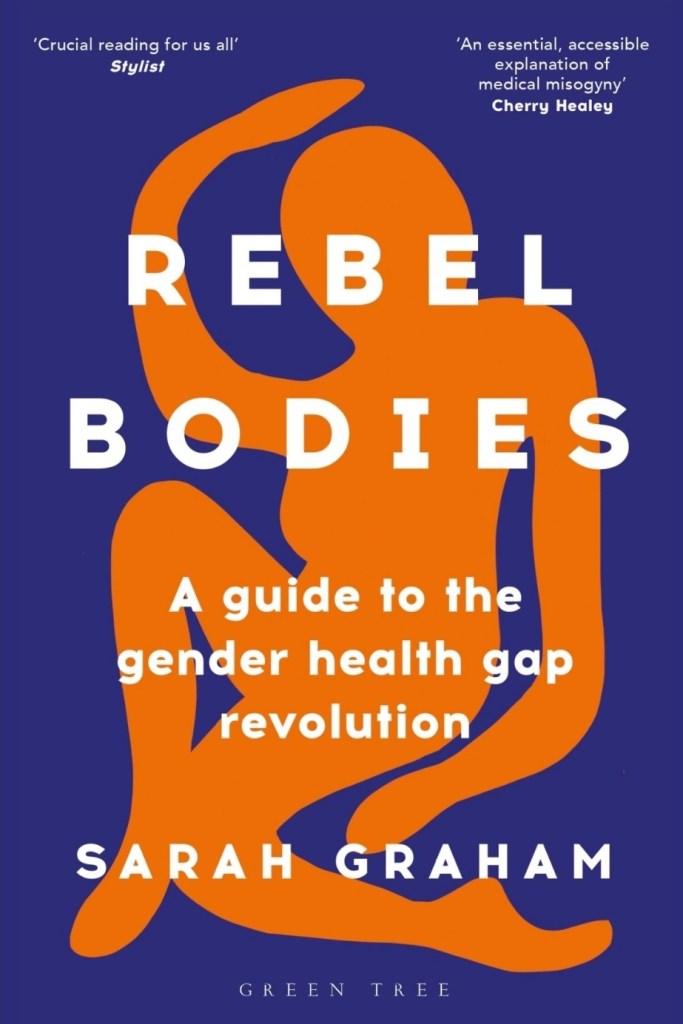
This whole journey began after reading a book that exposed the gender health gap, and it was truly eye-opening. It’s wild to think that while we’ve developed AI capable of holding human-like conversations and sent robots to Mars, we’re still grappling with basic issues in women’s health—something that affects half of the world’s population.
For example, why haven’t we figured out a clear way to manage PMS symptoms? And why is there still so much we don’t understand about menopause? Even doctors often lack the training needed to effectively support women going through menopause.

Also, it’s only in the past decade that we’ve begun to understand how the drop in estrogen during menopause is closely linked to neurodegenerative issues in women. This could be a significant reason why women are twice as likely as men to develop Alzheimer’s.
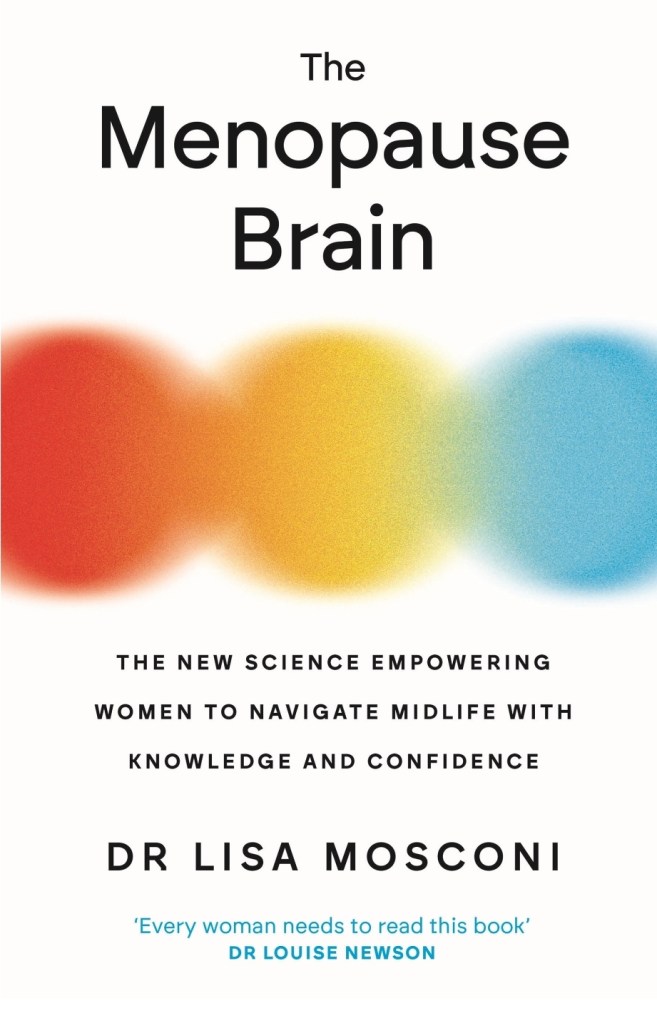
And here’s the kicker: despite having access to quality healthcare, free access to tertiary education (I completed two master’s degrees, one in Education and another in Cognitive Science), and now working on a PhD in a field closely related to brain science, I knew surprisingly very little about how hormonal changes in women as they age affect brain and cognitive functions!
It wasn’t until recently that I learned perimenopause could begin as early as your mid-30s. Perimenopause is the transition phase leading up to menopause, where your body begins to produce less estrogen, causing a range of symptoms. Who knew that symptoms like brain fog, night sweats, hair loss, and mood swings might be linked to hormonal changes associated with the onset of perimenopause?
And why didn’t anyone tell us that there are three key “Ps” we should be mindful of: Puberty, Pregnancy, and Perimenopause? Sure, I knew about puberty and pregnancy, but no one ever mentioned that I should be watching out for perimenopause too!
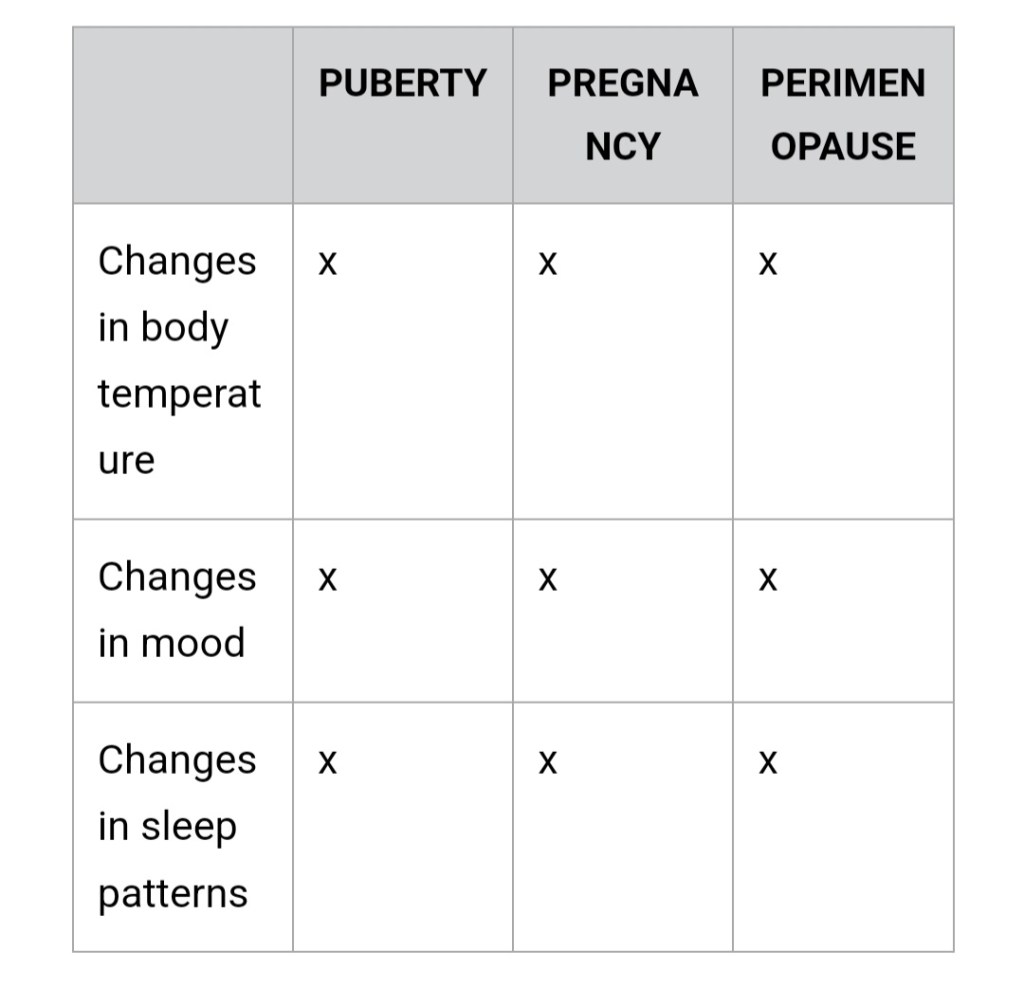
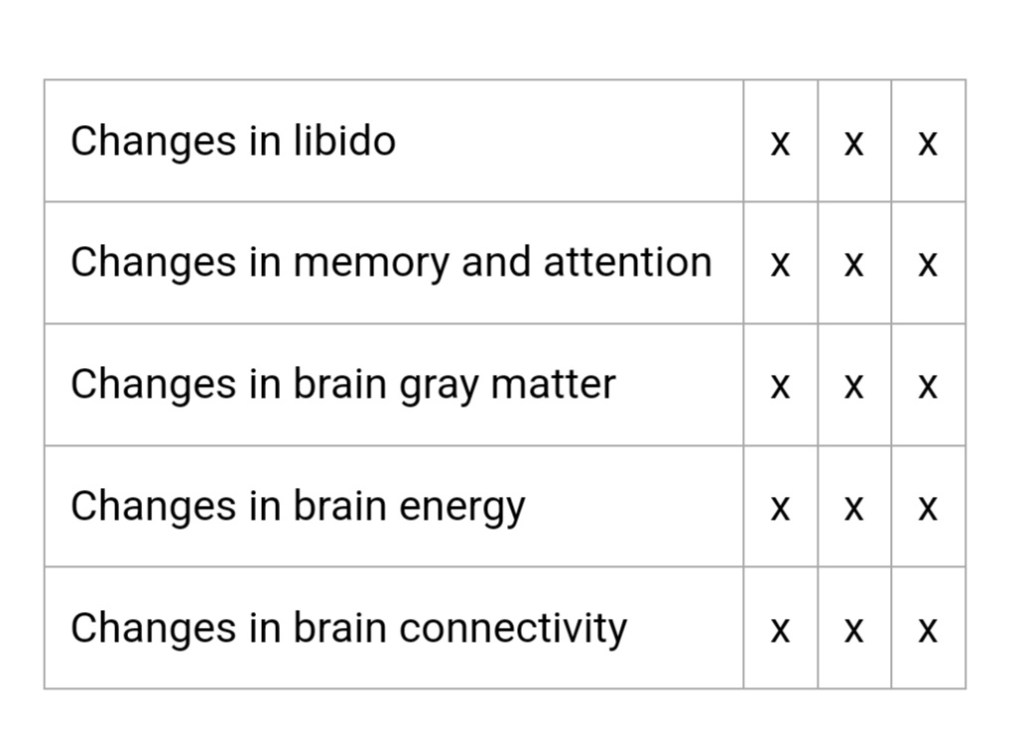
(The Menopouse Brain by Dr. Mosconi)
After all this eye-opening reading, I realized I needed to talk to my doctor to figure out what was going on with my body.
Not too long ago, I had a routine Pap smear, here in Finland, the government calls you in for a free Pap screening when you turn 40. I’d had one the previous year while vacationing in Indonesia, so it wasn’t anything new to me.
But what really caught my attention was when my doctor suggested we run some blood tests to see if the mental symptoms I was experiencing (mainly difficulty focusing) could be related to perimenopause.
I first noticed a decline in my working memory back in 2021, after I got COVID. While it’s not entirely clear, I have a strong suspicion that something is off (COVID really seems to have messed with our brains). For example, I used to be able to remember a string of numbers, like 2537659, without any effort. But now, I have to really concentrate to keep them in my head.
My sleep quality has also been declining, I used to sleep for about eight hours a night, but recently that’s down to seven hours. My wearable device also shows a drop in the duration of my deep sleep stages. And with all these mood swings, it’s hard to know if it’s perimenopause or just the result of stress and an imbalanced lifestyle.
So, my doctor ordered a range of blood tests to get a clearer picture of my overall health. You know, the usual markers like red and white blood cell counts, liver function, blood sugar levels, and a CRP test to check for inflammation. But she also included hormone-related tests, like thyroid function and FSH (follicle-stimulating hormone), to see if there was anything else at play.
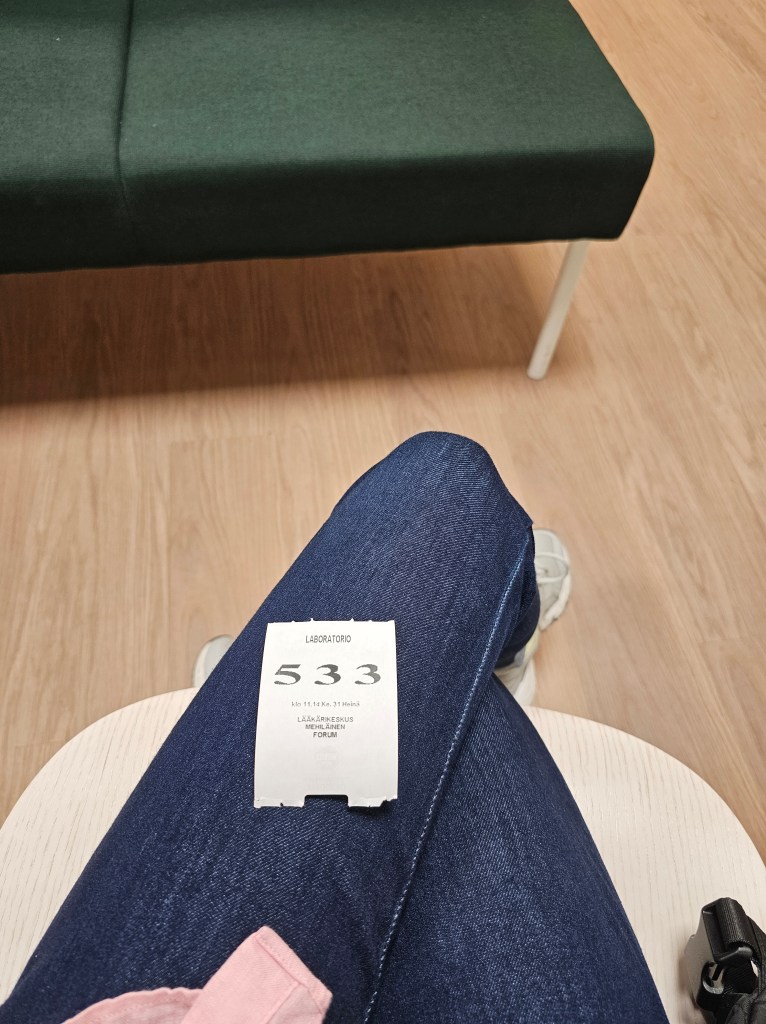
The FSH test is particularly important for assessing perimenopause because FSH levels increase as your ovaries begin to decline in function and produce less estrogen. During a woman’s reproductive years, FSH helps regulate the menstrual cycle by stimulating the growth of ovarian follicles.
However, as you approach perimenopause, your ovaries become less responsive, so your body compensates by producing more FSH in an attempt to stimulate them. Elevated FSH levels are a key indicator that your body is transitioning toward menopause.
The thyroid test is also crucial because thyroid dysfunction can mimic many symptoms of perimenopause, like fatigue, mood swings, and weight changes. Also, stress can impact thyroid function, potentially worsening symptoms that overlap with perimenopause. By checking my thyroid levels, my doctor can better determine whether my symptoms are due to thyroid issues, perimenopause, or stress, making it easier to target the right treatment.
So, here are the results, surprise surprise…

My doctor concluded that everything is within the normal range. It turns out that I’m overall pretty healthy, at least on paper. No signs of insulin resistance, no signs of thyroid dysfunction, and my FSH levels are normal, indicating that I’m not entering the perimenopause stage just yet!
Sooo, what’s going on exactly? I’m healthy overall, but not optimally healthy if I’m still experiencing these subjective symptoms, especially the subtle cognitive decline that I sense is there. Or do I have unrealistic expectations about how a midlife woman should perform? I’m working on my PhD, so the workload is cognitively demanding. I don’t really care about getting wrinkles or gaining a little weight, but I do care a lot about my mental clarity. If there’s anything I could do to maintain it at its peak level, honestly I would.
So what my doctor suggested is that it all might be “just” a suboptimal lifestyle. I clearly need to work on a more balanced diet, regular exercise, stress management, proper sleep, and recovery, easier said than done, right? Because everything seems to come back to these things. Even if I were perimenopausal, or dealing with any metabolic health issues, these would still be the key interventions! 🤣
And here’s another recent test I took. As you know, I’ve also been reading a lot about the gut-brain axis, the concept that the balance and diversity of your gut microbiome are linked to your brain health and cognitive functions.
The gut-brain axis (GBA) is the bidirectional communication between your gut and brain, involving multiple pathways, including the nervous system, immune system, and hormonal signals. The health of your gut microbiome can influence your mental health, mood, and cognitive functions.
For example, certain gut bacteria produce neurotransmitters like serotonin, which plays a crucial role in regulating mood and anxiety. Disruptions in the gut microbiome have been linked to conditions like depression, anxiety, and even neurodegenerative diseases.
I recently came across the topic of the gut-vaginal axis too. Essentially, your gut microbiome doesn’t just affect your brain health; it also impacts your reproductive health. The gut-vaginal axis refers to the influence of the gut microbiome on the vaginal microbiome. These two microbiomes are interconnected, and an imbalance in gut bacteria can lead to imbalances in the vaginal microbiome, affecting reproductive health.
During perimenopause, women are at an increased risk of experiencing dysbiosis (an imbalance) in the vaginal microbiome due to declining estrogen levels. A disrupted vaginal microbiome is associated with a higher risk of issues like vaginal dryness, vaginal atrophy, STDs, and even cervical cancer.
Naturally, I was curious, how could I know if my vaginal microbiome is healthy? So, I decided to take a home vaginal microbiome test. This kind of test might be unfamiliar to many because it’s still uncommon, but I was intrigued. It’s actually a pretty straightforward process: you do a vaginal swab at home, send the sample to the lab, and after about a week, you get your results.
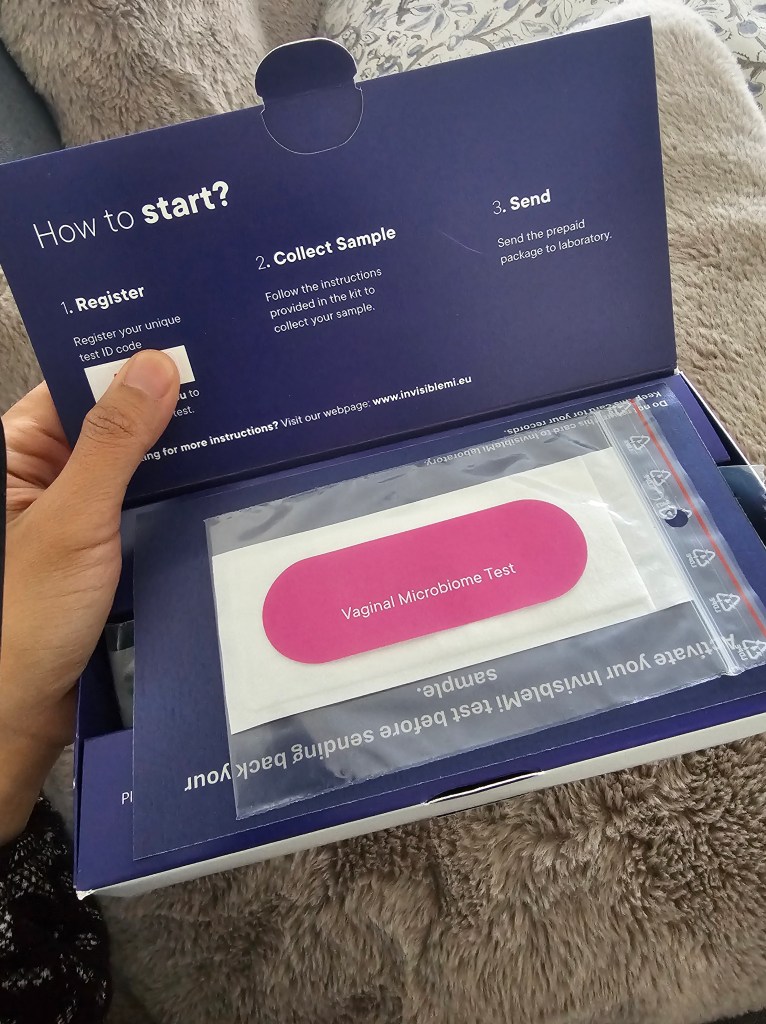
The thing is, these tests might not be widely available in all countries due to the advanced genomic sequencing technology required to analyze what microbiota are present from a simple DIY swab. However, in the US and Europe, there are several health tech brands that offer these products directly to consumers. The one I used was developed by the University of Tartu in Estonia.

Curious about the results of the test and the insights I gained from it? Stay tuned for part two of this post, where I’ll share what I discovered and what it could mean for my midlife health journey. I hope you can learn a thing or two from my experience as well.
 livalearning