
The Emotional Tagging Hypothesis is a theory in the science of memory that explains why we tend to remember emotionally significant events better than neutral ones. While the concept may sound straightforward and intuitive to us, its neurobiology is pretty complex.
When an emotionally relevant event occurs, it activates the amygdala. The amygdala, in turn, influences neural plasticity in other brain regions, such as the hippocampus, which is crucial for converting short-term memories into long-term ones.
The amygdala activation leads to the release of neurotransmitters like noradrenaline and acetylcholine. These neurotransmitters are essential for the synthesis of proteins needed for synaptic consolidation, a process that involves transforming short-term potentiation into long-term potentiation. Synaptic consolidation is basically how neuronal connections are made, and memories are formed in our brains.
These proteins also act as markers, tagging specific synaptic connections related to the emotionally significant event. This tagging process ensures that these particular connections are prioritized, making it easier for us to remember and recall these events later.
So, emotional tagging is like a highlighting tool for our brains, ensuring that important, emotion-laden memories stand out and remain accessible. This process involves a complex interplay of brain regions and neurotransmitters, all working together to help us retain and recall our most memorable experiences.
The Memories that Made Us
These emotionally charged memories are not just random snapshots of our past but are often linked to significant people, places, and experiences that have shaped who we are. This brings me to an episode of my life that illustrates the Emotional Tagging Hypothesis: an unlikely friendship we built with someone we met during our time in Brunei. The friendship was formed almost a decade ago, but I can still vividly recall some of the moments we shared together.
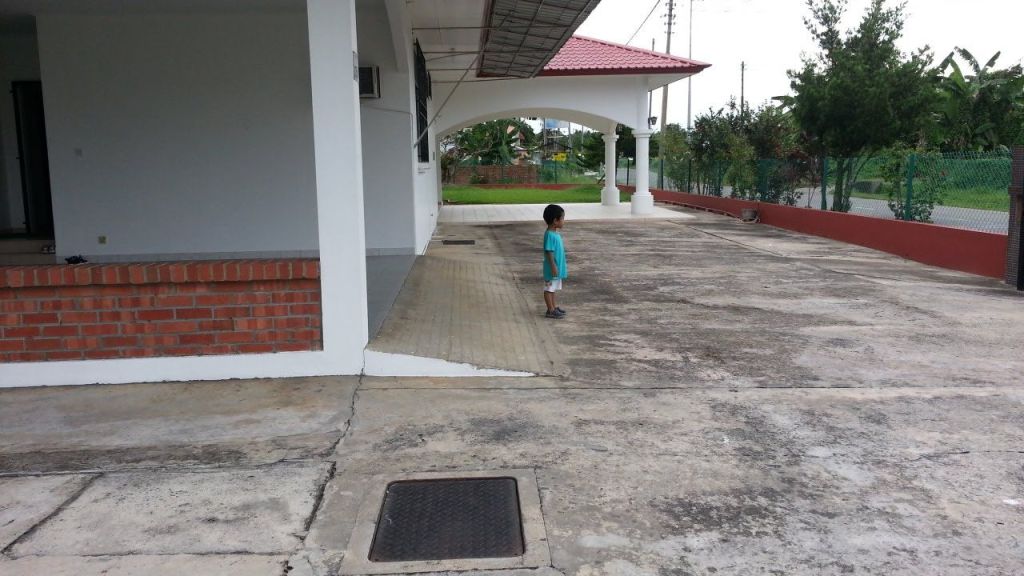
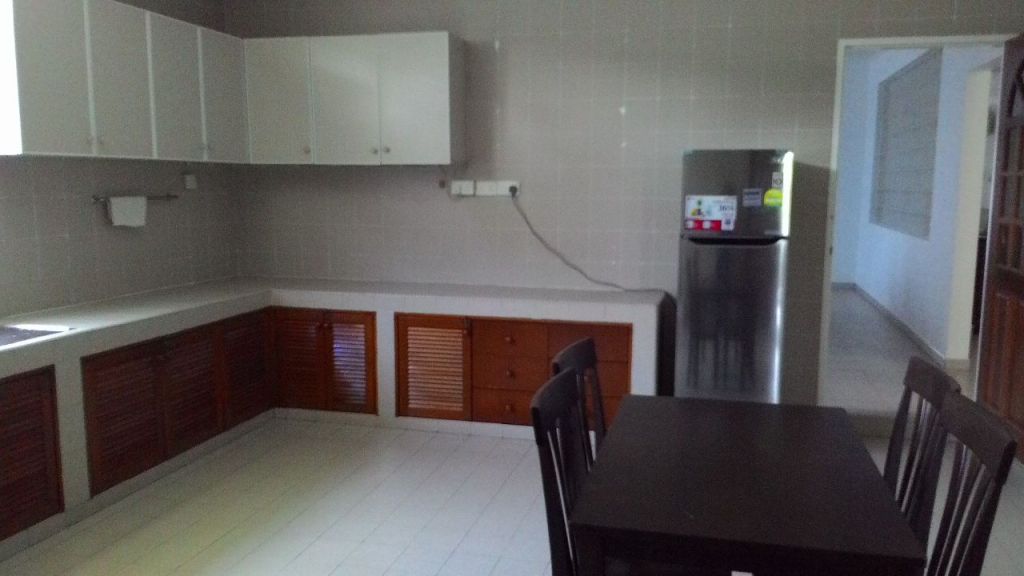
My husband had a coworker, one of the engineers in a Swedish telco company he used to work for. At that time, we were located in Brunei and somehow became housemates with this kind Vietnamese guy. Bruneian houses tend to be very large, and under the circumstances, the office rented one for us to share. The arrangement was practical; while we could still retain our privacy, there were moments when we shared common spaces like the kitchen, and that was exactly where the most memorable moments unfolded.
He always cooked his own meals, but we often cooked and dined together. I sometimes found myself using his kitchen utensils because mine were dirty and I was too lazy to wash them. I’d tell him, “Hey, I just used your pan, and it’s now sitting in the sink unwashed.” He would just laugh, say it was okay, and even wash the pan for me. He was also very considerate. Knowing that we are Muslims, he avoided bringing pork to the kitchen. There was something heartwarming about these shared activities, simple acts that brought us closer. We shared countless conversations in the kitchen and over the dinner table during those almost two years we spent as housemates.
He had strong opinions about his government, sparking lively discussions between us. As citizens of developing countries, we shared similar sentiments. He criticized the poor public services, unsafe traffic, flawed education system, corruption, and the Chinese Communist Party’s influence over his country. We often argued over which of our governments was worse, trying hard to defend this argument: “Trust me, your country actually did a lot better than mine!”
He also shared childhood memories of growing up in the remnants of the notorious Vietnam War. He once had armies raiding his house, looking for his father and uncle. Growing up, his family was poor. He told us about times when he had to wear his sister’s skirt because he shared clothing with her. There was also an episode when he got really hungry, and a banana was the only thing he could find at home.
These stories were not just tales of hardship but also the close bond he shared with his family. His uncle migrated to Texas and started a chicken farm, which he helped invest in. He always bought special diabetic milk for his mother that he would carry from Brunei on his regular visits to Vietnam. His affection for his family, even from afar as a (professional) migrant worker, was very touching.
He was such a humble and modest man. Despite earning substantial money, especially considering Brunei’s zero income tax, he lived very simply. He owned just two pairs of shoes: one for running and one casual pair for the office. He preferred wearing cheap beach flip-flops when he went to the market or mall. His unassuming fashion sense made him look like a random street vendor guy selling Banh Mi in Hanoi. You wouldn’t have thought that he was a skilled professional earning six-digit Singaporean dollars annually.
His taste in music, though, was hilarious. Amusingly stuck in the ’80s pop-rock, with “Take On Me” by a-ha being a favorite. That was his morning wake-up call music before he went for his morning jog to the riverside park near our place. I can hear the tune in my head as I’m writing this. My husband and I often joked about this. Even today, we laugh together if we randomly overhear the song somewhere because it instantly reminds us of him.
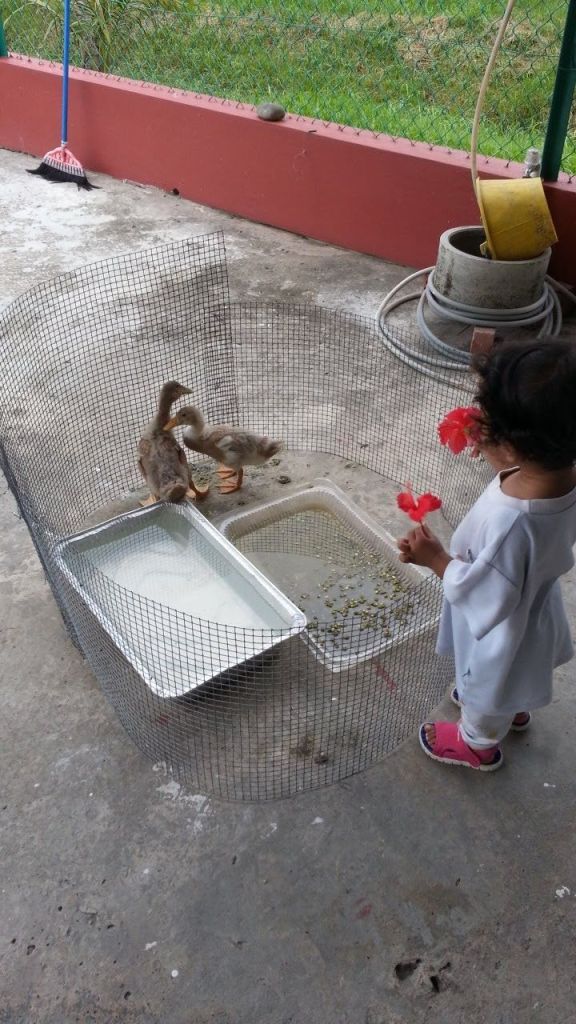
He was an avid gardener, transforming our backyard into a mini vegetable farm. I remember a particularly hilarious episode when he got upset because forest monkeys stole his nearly ripe pumpkin. He also raised two cute ducks, which my kids loved to feed and play with. Those ducks ended up on our dinner table for a special feast, prepared Indonesian-style with green chili sauce. Yes, poor ducks, but it was such a memorable meal.
Something I never got to tell him until now: he didn’t know that many of his stories inspired me to write. During my time in Brunei, as a stay-at-home mom with two preschoolers, my life was filled with moments of joy but also periods of boredom and loneliness. I began chronicling my daily life in Brunei, including our random kitchen conversations that somehow triggered me to reflect on various aspects of life. I sometimes posted snippets of those writings on my Facebook page. I wrote in Bahasa Indonesia, never mentioning his real name, and we were not Facebook friends until after I left Brunei. So he wouldn’t know at all.
The writing and reading were my solace back then, helping to keep my mind engaged. In a way, that also somehow led to my decision to pursue education and move to Finland. The unanswered questions, the yearning for something inexplicable and unspoken—the kind of intellectual thirst for something more stimulating for the mind.
He’s back in Vietnam now, married to a tall and very pretty Vietnamese girl who looks like a model. He had a son the last time we were in touch. We talked about how nice it would be if our family could come to Vietnam someday. We’ve never once visited.
I have deactivated my Facebook account for years now. I no longer have contact with him. I never had the chance to tell him how much I appreciated his kindness, his stories, and his company. It would be weird if I suddenly reached out to him now just to tell him this: our encounter with him was part of this narrative that eventually led us to where we are now.
Writing this post, I’m somehow reminded that precious moments in life are fleeting. People come and go. If you have the chance to tell someone how they made an impact on your life, no matter how small, just tell them. It could mean more than you realize, both to you and to them.
 livalearning